
Table of Contents
This blog post may contain affiliate links. As an Amazon Associate I earn from qualifying purchases.
As cats grow older, subtle changes in their behaviour can often leave owners wondering if something more serious is happening beneath the surface. Cat dementia, formally known as Feline Cognitive Dysfunction (FCD), is a condition many owners have never heard of—yet it affects a significant portion of senior cats. According to the Cornell Feline Health Center, more than 50% of cats aged 15 and older show at least one sign of cognitive decline. Recognising these signs early can make a profound difference in your cat’s comfort and quality of life.
What Is Cat Dementia?
Cat dementia is a degenerative condition that affects a cat’s brain, leading to gradual declines in memory, learning, and awareness. It shares similarities with Alzheimer’s disease in humans. As cats age, proteins such as beta-amyloid can build up in the brain, disrupting normal function and reducing blood flow. The result is confusion, disorientation, and behavioural changes that can appear gradually over time.
The VCA Animal Hospitals notes that while there’s no single cause, age is the greatest risk factor. Most cats start showing signs after the age of ten, though some earlier cases have been recorded. Other potential contributors include genetics, poor diet, chronic illnesses, and environmental stress.
Common Signs of Cat Dementia
One of the greatest challenges of identifying cat dementia is how slowly it develops. Many owners dismiss the early signs as normal ageing. However, being observant can help you intervene sooner and provide better support.
| Behavioural Sign | What It Means |
|---|---|
| Disorientation | Your cat may seem confused in familiar places, stare into space, or get “lost” in their own home. |
| Changes in interaction | Some cats withdraw, while others become unusually clingy or vocal, especially at night. |
| Sleep-wake cycle disruption | Increased restlessness or meowing during the night is very common. |
| House-soiling | Forgetting litter box locations or struggling to find them may indicate memory loss. |
| Reduced activity or play | A once-curious cat may seem withdrawn or uninterested in toys and people. |
| Increased anxiety | Sudden nervousness, hiding, or startle responses can appear as confidence fades. |
These symptoms can overlap with other medical issues such as arthritis, hyperthyroidism, or kidney disease, so a veterinary diagnosis is essential before assuming dementia. The PetMD Cognitive Dysfunction Guide provides a helpful overview of how these signs typically progress.
How Vets Diagnose Cat Dementia
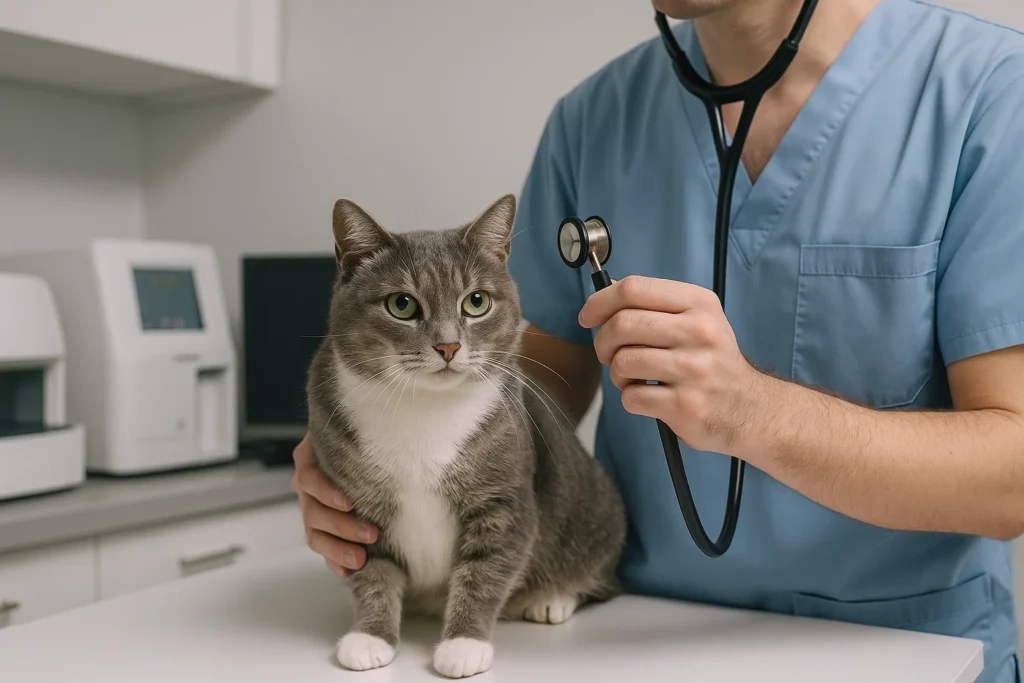
Diagnosing cat dementia involves ruling out other potential causes for behavioural changes. Your vet will start with a full physical exam, blood tests, and a neurological assessment. In some cases, advanced imaging such as MRI or CT scans may be used to evaluate brain structure.
During the diagnostic process, it’s helpful to keep a behaviour log for your cat. Note when symptoms occur, what triggers them, and how long they last. Vets also use specific checklists, such as the DISHAAL scale, which stands for:
- Disorientation
- Interaction changes
- Sleep-wake cycle disturbances
- House-soiling
- Activity changes
- Anxiety
- Learning and memory loss
Treatment and Management Options
Although there’s currently no cure for cat dementia, early intervention can significantly slow its progression and ease your cat’s daily life. Treatment plans usually combine medical support, diet, and environmental adjustments.
Medical Support
According to the ASPCA, medications such as selegiline (also used in dogs with cognitive decline) may help regulate dopamine levels and improve alertness. For cats experiencing anxiety or agitation, short-term anti-anxiety medication can sometimes help stabilise mood. Always consult your vet before introducing any medication or supplement.
Nutritional Support
A balanced diet rich in antioxidants, omega-3 fatty acids, and B-vitamins supports cognitive function. Senior cat foods formulated with brain-boosting nutrients—like DHA and vitamin E—can promote neurological health. Maintaining hydration is equally vital, as dehydration worsens confusion in older cats. The American Veterinary Medical Association advises that senior pets benefit from regular dietary reviews every six months.
Environmental Enrichment
Creating a predictable, low-stress home environment makes a major difference. Here’s what I’ve found most effective for supporting cats with dementia:
- Keep furniture and litter boxes in consistent places.
- Provide soft night-lights in hallways to prevent disorientation after dark.
- Use puzzle feeders or gentle play to stimulate the mind.
- Add comfortable resting spots near warm, quiet areas.
- Maintain a regular feeding and interaction schedule.
Supporting Your Cat’s Quality of Life
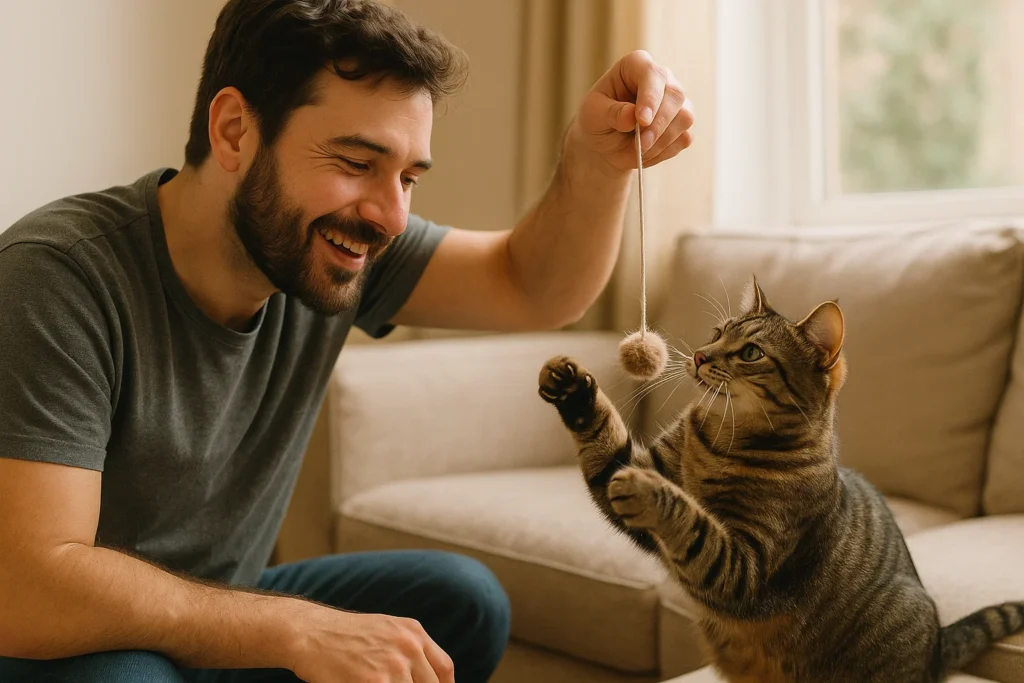
Patience and empathy go a long way when caring for a cat with dementia. Simple routines help your cat feel secure, while environmental stability reduces stress. I recommend creating a daily checklist that includes mealtimes, grooming, and short play sessions.
Regular vet check-ups—at least twice a year for senior cats—can detect subtle changes early. Never assume behavioural changes are “just age.” Pain, thyroid imbalances, and sensory loss can mimic dementia, and treating those may drastically improve wellbeing.
Can Cat Dementia Be Prevented?
While there’s no guaranteed way to prevent cat dementia, evidence suggests that proactive care throughout your cat’s life can reduce risk. Mental stimulation, social engagement, and high-quality nutrition all play roles in maintaining brain health. The Hill’s Pet Nutrition Feline Cognitive Dysfunction Guide highlights how regular play and enriched environments help delay cognitive decline.
Maintaining a healthy weight and managing conditions like hypertension and diabetes are also essential, as these can affect blood flow to the brain. Prevention, at its heart, is about keeping your cat’s body and mind active and balanced.
When to Seek Veterinary Help
If your cat shows more than one symptom of cognitive decline or experiences sudden changes in behaviour, seek veterinary guidance promptly. Early evaluation allows for interventions that can help slow progression and maintain your cat’s happiness and comfort.
FAQs About Cat Dementia
How common is cat dementia?
Research from the Cornell University College of Veterinary Medicine suggests that approximately one in three cats over 11 years old will experience some level of cognitive decline, and the percentage increases sharply after 15 years.
Can cat dementia cause aggression?
Yes, some cats may become more irritable or anxious due to confusion and reduced awareness. However, sudden aggression should always prompt a veterinary examination to rule out pain or illness.
How long can cats live with dementia?
Many cats live several years after diagnosis with proper management and care. Quality of life is the key focus—routine, comfort, and early veterinary support are what matter most.
Does cat dementia get worse?
It typically progresses slowly. With consistent care, environmental stability, and nutritional support, many cats maintain enjoyable, loving lives even as the condition advances.
Should cats with dementia be put down?
Euthanasia is a deeply personal decision. As long as your cat still eats, interacts, and enjoys moments of comfort, continued care is worthwhile. Work closely with your vet to assess quality-of-life indicators.
Useful Reads
- How to Help Your Cat Live Longer
- Why Cats Sleep So Much
- Your Guide to Indoor Cat Tunnels: Hidden Benefits Your Cat Wants You to Know
- American Wirehair Cat: The Hidden Gem of Rare Breeds
Disclaimer: This article is for educational purposes only and is not a substitute for professional veterinary advice. Always consult a qualified veterinarian for diagnosis and treatment of your cat’s specific condition.